ACOS Cut from 52% to 39% in One Week for a Composites Manufacturer
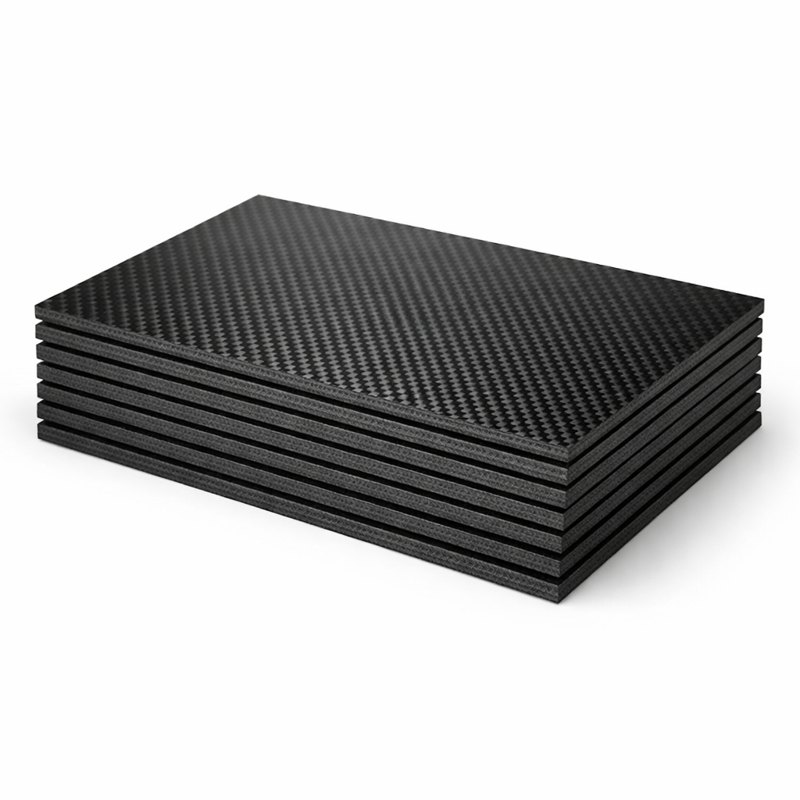
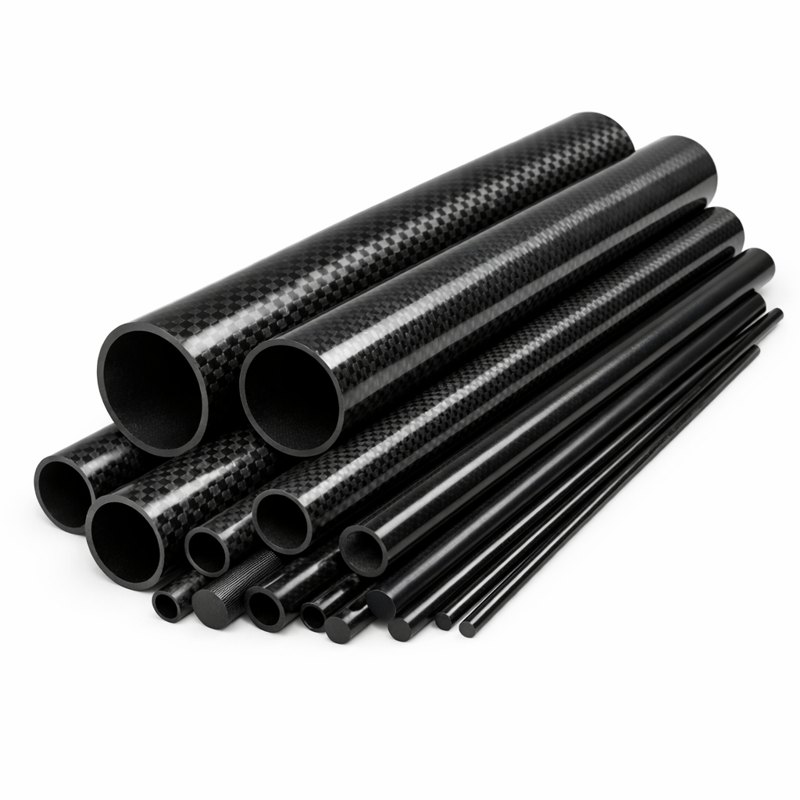
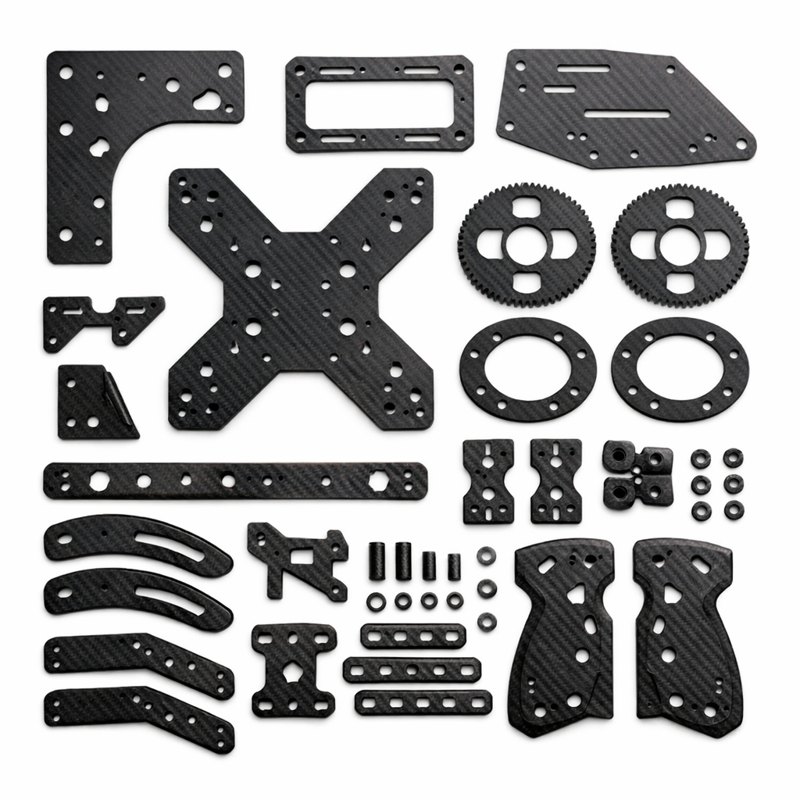
This is an anonymous case study, so we will name the client by what they are: a composites manufacturer selling a technical product line on Amazon. Advertising ACOS sat at 52%. The campaign structure had sprawled past what the catalog needed, and spend leaked through dozens of low-signal targets that kept pulling clicks without ever forcing a clear decision. Order volume was modest, so every wasted dollar showed up in the efficiency math instead of hiding inside a large base.
We have ten years in Amazon e-commerce and we run 15 to 20 accounts at a time, so we know this pattern. Technical product, niche audience, thin daily orders, and an ad console that punishes broad tests. On an account like this you cannot buy efficiency with more spend, because the demand pool is not deep enough to absorb it, so the gains come from removing waste rather than adding volume.
One consolidation pass carried every change, because scattered edits across several weeks hide cause and effect on a low-volume account. Daily budgets across every campaign were reset to what each had earned the right to spend. The overspenders went into quarantine. We paused them and renamed them Bloated so the change stayed visible in the console and every decision stayed reversible, and we never delete anything we might later need to explain or restore.
Next came a target-by-target pass. Bids were cut 30% on every target sitting below 2 ROAS with no sales in the last 30 days, because a full month had already proved they could spend without selling. The targets that converted but did so expensively were trimmed, since a sale that costs more than it returns is still a leak. Winning target bids were set to a uniform $1.00, so the efficient targets kept delivery while everything around them shrank.
Same weekdays, one week apart
We measured it the honest way by comparing the same weekdays against the prior week, because a low-volume account will hand you a fake win if a strong weekday stands in for a weak one. Within one week ACOS fell from 52% to 39%, and daily orders held steady at the same level, which means the account kept its volume while a quarter of its ad cost came out.
| Metric | Prior Week | One Week Later |
|---|---|---|
| Advertising ACOS | 52% | 39% |
| Daily orders | Baseline level | Held at the same level |
We held the same weekdays against the prior week, so the ACOS drop reflects the changes we made and not the calendar.
Efficiency creates room, and the follow-through is where that room gets used. We raised top-of-search placement 25% on the surviving winners and reallocated budget to those same winners so the recovered spend flowed back into what was working. Then we ran a year-to-date hygiene pass across the whole account. We set bids to $1 on everything holding 2+ ROAS, and we cut the year-long non-converters by 25% so they would stop accumulating quiet losses.
The lesson generalizes to any low-volume technical account. Efficiency here is won by subtraction, because the winners are usually already in the account and the problem is the clutter around them. Renaming instead of deleting matters more than it looks, because it keeps every decision auditable and reversible. The client can open the console, see exactly what we paused and why, and any call we made can be undone in one click if the data ever argues back.
We have managed over $10M in Amazon ad spend, and our flagship accounts run under 15% TACoS, but the accounts that sharpen us most are small technical ones like this, because they punish sloppy structure instantly. If your ACOS looks like this account's 52%, the fix is probably not a new campaign. It is a disciplined week of subtraction, and the orders you are afraid of losing were mostly never coming from the spend you would cut.
← Back to all case studies